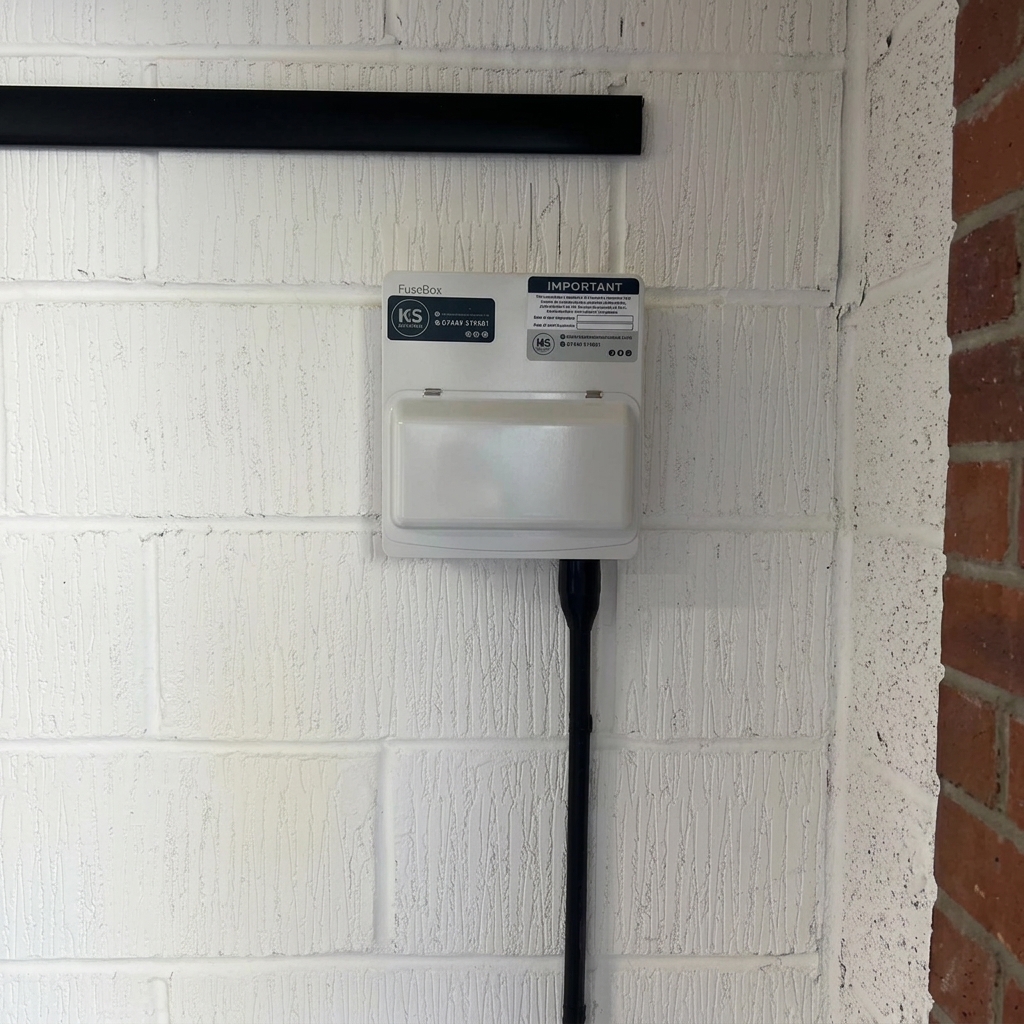
Your consumer unit — sometimes still called a fuse board — is the heart of your home's electrical system. If yours is made of old-style plastic, only has rewireable fuses, or doesn't have RCD protection, upgrading it is one of the most worthwhile electrical jobs you can have done.
A modern consumer unit adds layers of protection that weren't standard years ago: RCDs that cut power in a fraction of a second if a fault is detected, and in newer installations, AFDDs on key circuits. The result is a safer home and an installation that meets current standards.
When a replacement is worth considering
If you have a wooden-backed or older plastic consumer unit, rewireable fuse carriers, no RCD protection, or signs of damage or overheating at the board, a replacement is worth looking at. It's also often required when extending circuits — an older board may not have the capacity or protection needed for new work.
Landlords and anyone selling a property often need to upgrade older boards to meet current standards. If you're not sure what you've got, send over a photo of your existing unit and you'll get an honest opinion on whether it needs work or is fine as it is.
What to expect
A typical domestic consumer unit replacement takes most of a day. Power will need to go off for the duration of the connection work, but planning is done so you're without power for as short a time as possible. Existing circuits are tested before being connected in, and anything that doesn't meet current requirements is flagged before work starts so there are no surprises.